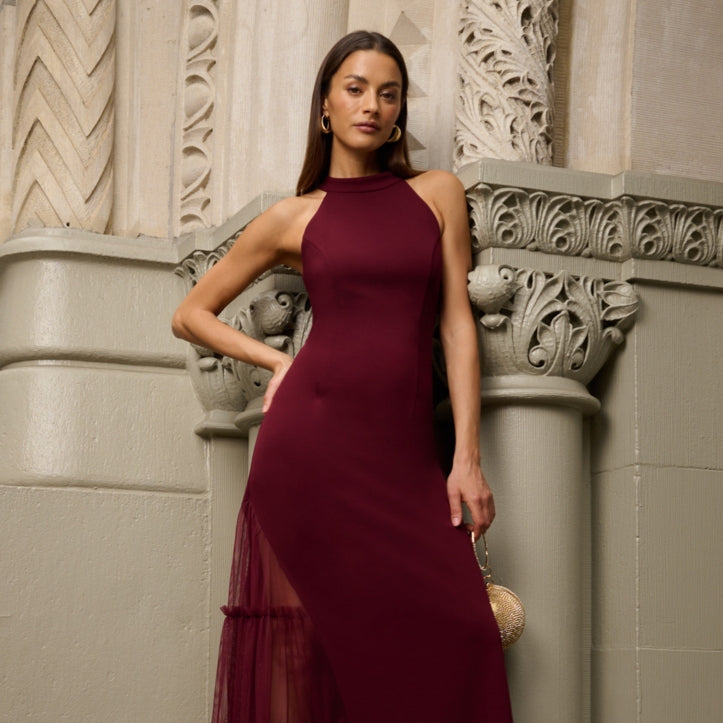
It follows the upper figure gently, then opens into a soft, flowing skirt that creates movement and balance
(Most other stimuli used by vision science are generally created in labs.) Even outside of vision scientists, most people just assume everyone sees the world in the same way
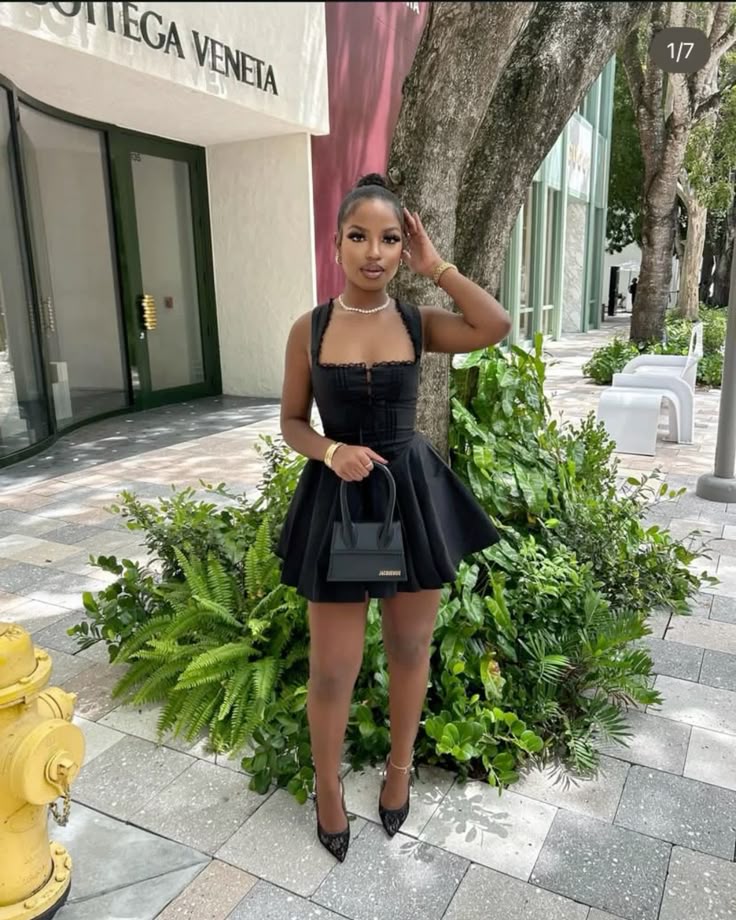
Fabric choices I use often Viscose/rayon: great drape, strong summer story, but shrinkage control is critical Cotton poplin: crisp A-line shape, good for shirt A-line, print can look very clean Chiffon: romantic and light, but needs lining and careful seam finishing Satin: premium shine, but print shading and snag risk are real Polyester crepe: stable supply, good for digital prints, easy care Print methods and what they mean in bulk Reactive print: strong color on cellulosic fibers, better wash performance Pigment print: often cheaper, but hand feel can be dry and color can look flat Disperse/sublimation: common for polyester, sharp details, but heat setting control matters Digital print: great for small runs and complex designs, but batch-to-batch consistency needs strict control Rotary/screen print: stable for volume, but setup cost is higher and colors are limited Quality tests I care about for printed dresses Wash colorfastness and crocking Light fastness for summer outdoor use Shrinkage after wash and steam Print penetration on darker grounds Shade banding between rolls A simple fabric + method matching table How do I manage color, strike-offs, and consistency across bulk production

The only way youll ever win that bet is by wearing the phrase on your dress, and pointing to it when the inevitable moment hits